
Substrates
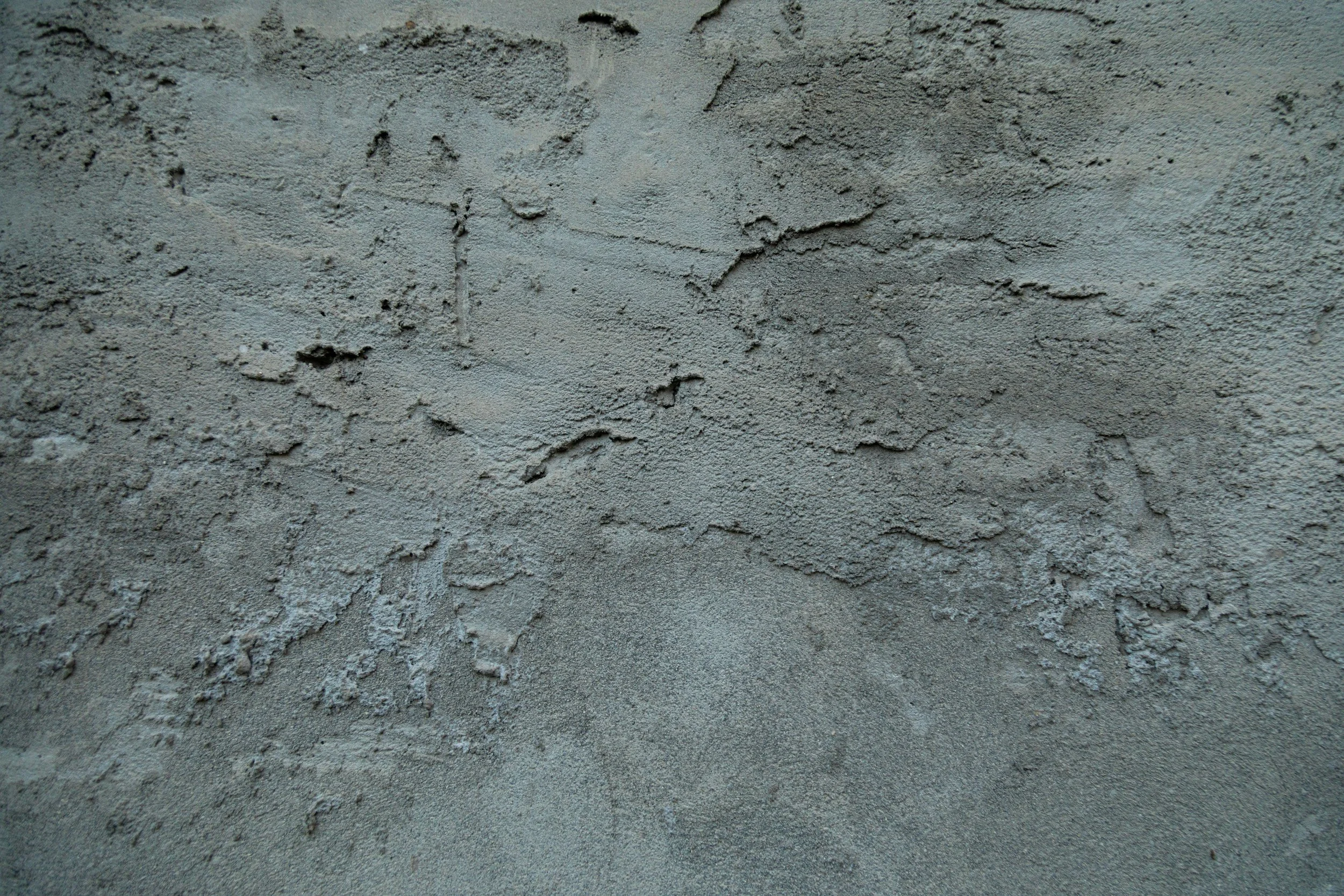
Substrates are the foundation of a waterproofing system and so is the first critical consideration in design and selection.
Exploring and understanding the relationship between different waterproofing systems and substrates below we can eliminate the problems stemming from surface preparation, waterproof membrane integrity, and adhesion.
Adhesion and substrate stability play a crucial part in the formation of some membranes and the longevity of most.
Ex-Situ
Substrates that are manufactured have one primary difference with in-situ substrates, consistency.
When you have a manufactured substrate, such as James Hardies Secura Flooring for example, you have a level of control to obtain consistency in outcome. They are produced in a controlled environment leading to consistent products each and every time.
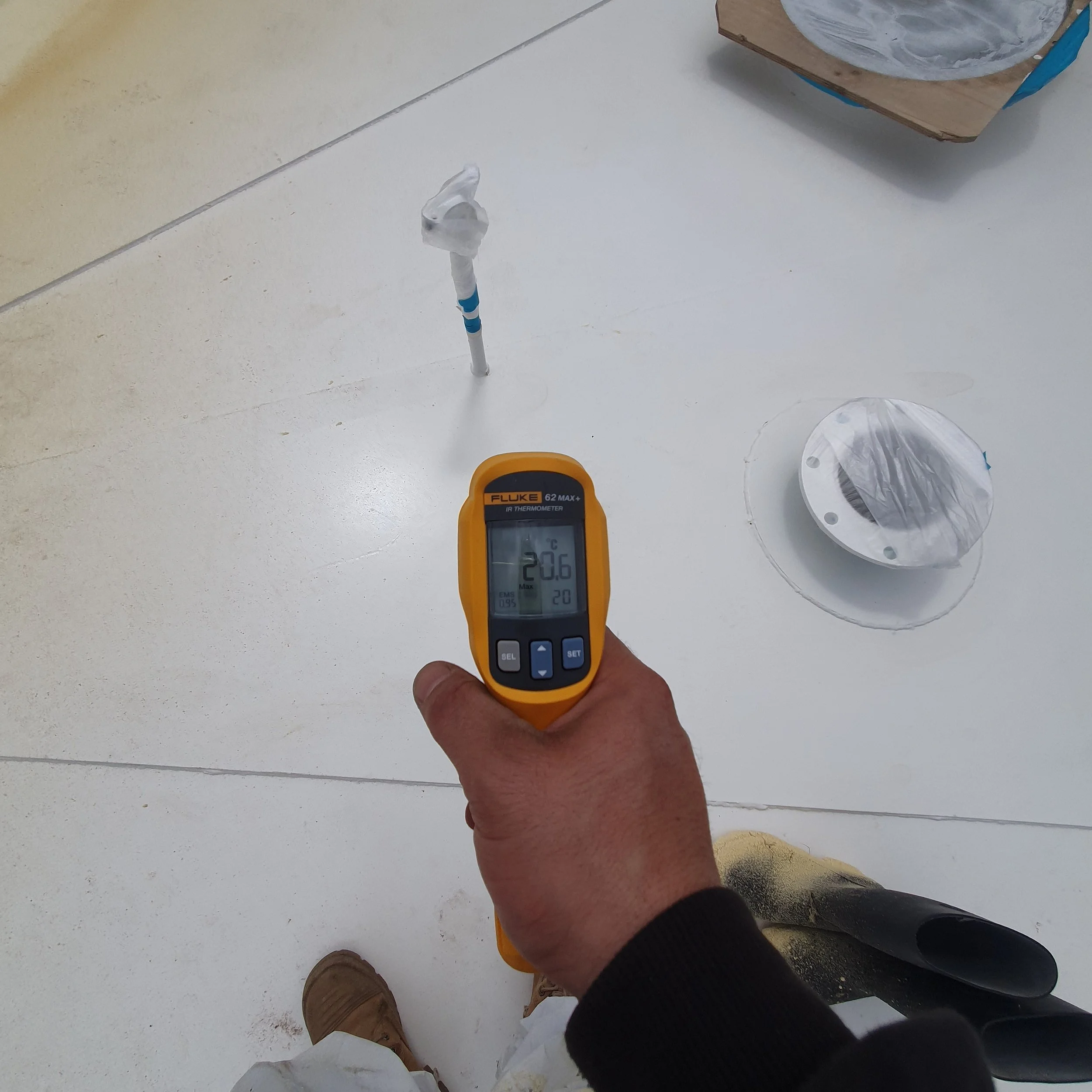
While you still have variations in external factors such as contaminants, damage etc the consistency enables you to have a relatively reliable substrate to work with.
What does this mean for our waterproofing systems?
A consistent substrate means we can determine its porosity and surface profile without testing, which is crucial for adhesion (where required), arguably even more so than chemical adhesion.
Let us take Jamies Hardie Secura Flooring for example. The board has a surface sealer making it water resistant. The board is non porous with minimal surface profile.
Knowing this we can select the appropriate primer to ensure our waterproof system adheres and works correctly.
Similar examples can be found in products such as Besser Blocks, Aluminium, Steel etc.
When considering these products we ought to pay attention to their finished state. Unfinished manufactured products will typically have residual release agents making adhesion more difficult, and require appropriate preparation.
In-situ
Substrates that are formed in-situ, are those that are formed in place rather than prefabricated, offer far less reliability in outcome.
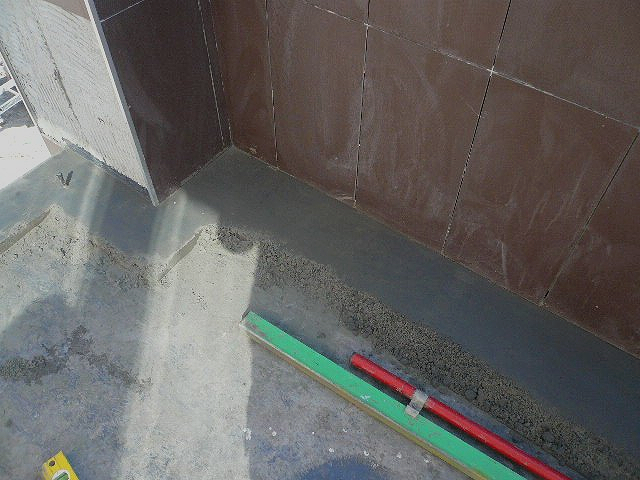
The most common example of which is concrete. Concrete, while delivered to site premixed, will have any number of finishes depending on a variety of factors such as: weather, temperature, finishing methods etc.
The variations arising from the nature of concrete means each pour will have a different outcome and therefore require preparation to suit each application. Depending on the size of the area covered, multiple test points will need to be assessed to properly plan for the level of preparation required.
While made up of the same materials, Besser blocks juxtapose to its insitu counterpart, best illustrates the different outcomes through the difference in process.
Porous substrates are generally in-situ and will vary greatly in their level of porosity therefore requiring testing prior to selection and application of priming agent.
As with all things, porous substrates come with advantages and disadvantages in preparation. The nature of a porous substrate means it will easily accept and absorb, relative to the level of porosity, any priming agent applied. The same advantage becomes a disadvantage when exposure of these substrates means potential for water logging and pore clogging from contaminants such as dirt, oils and greases.
Depending on the determined level of porosity and extent of exposure the appropriate steps will need to be taken such as grinding, high pressure washing etc.
These steps will ensure the priming agent has the best opportunity to penetrate and seal the surface of the substrate in preparation for the chosen waterproof system.
Non-porous substrates such as metals, sealed surfaces, glass etc, will generally face the same advantages and disadvantages as porous substrates except in the reverse.
These substrates generally have more issue with surface profile, or lack of, than issues around moisture entrapment and contaminants.
Identifying the finish of the material helps determine the level of preparation required.
Non-porous substrates generally benefit most from both chemical adhesion and increasing surface profile.
Surface profile generally can be seen as shine or felt by the touch in most cases. To visual this we could describe it as peaks and valleys, think the Himalayan mountains.
The importance of surface profile in relation to non-porous substrates is significant as there is no absorption in these materials. Adhesion then, relies largely on the effect of contraction creating a clinging effect during the curing process of a priming agent to the peaks and valleys created by various methods. This concept also plays an important role when bonding waterproof membrane to primer.
The methods to increase surface profile can be as simple as metal wool pads or aggressive like sand/media blasting and many in between. All of which serve the purpose of creating a texture, rougher profile.
